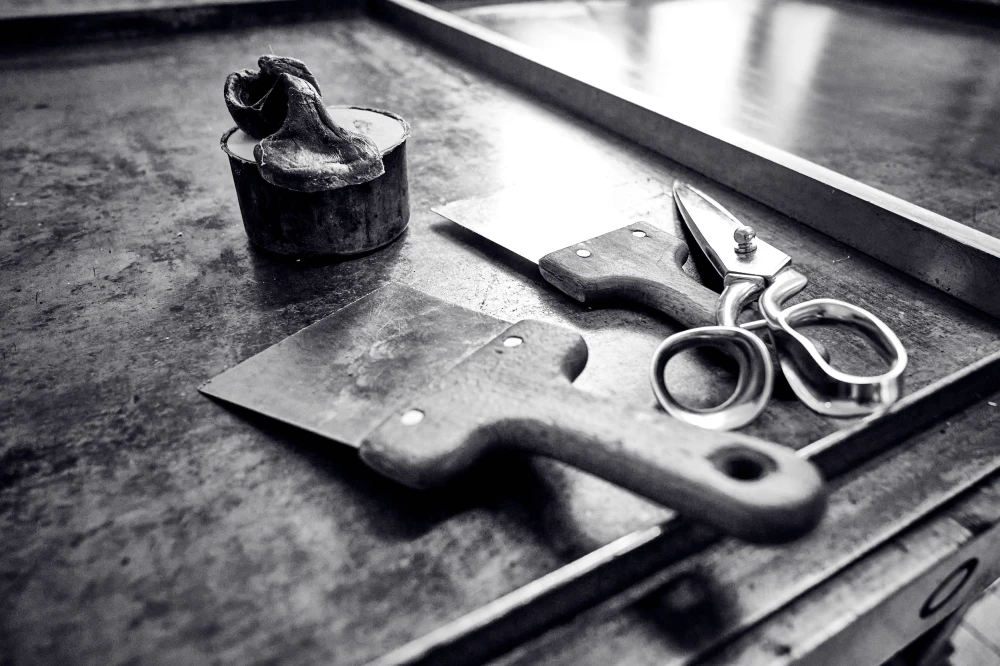
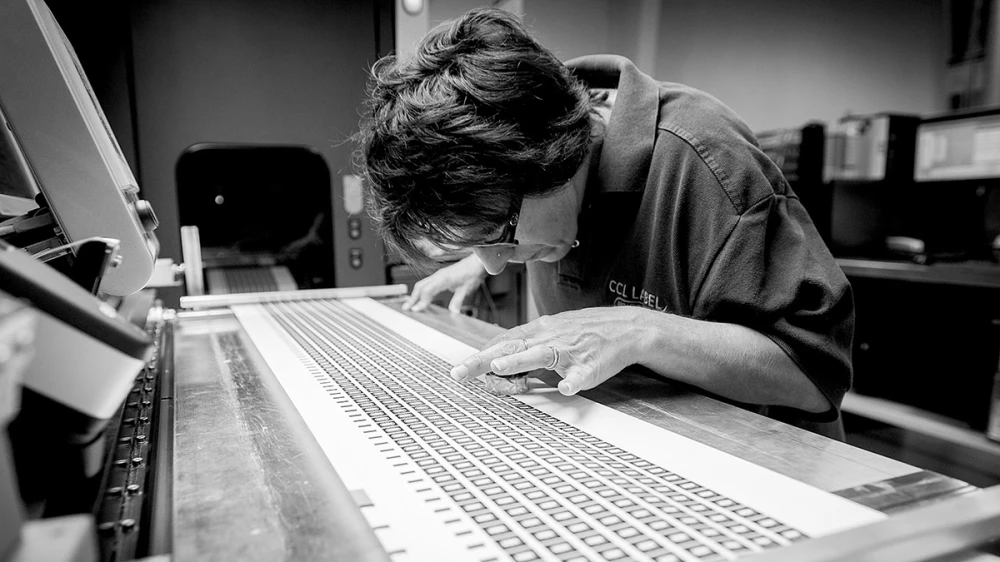
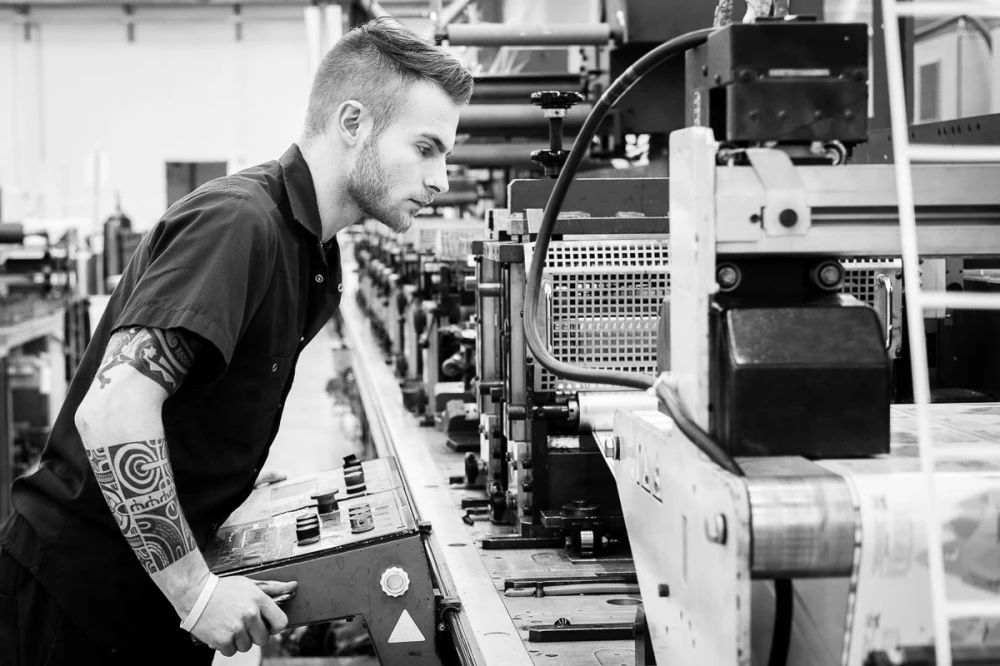
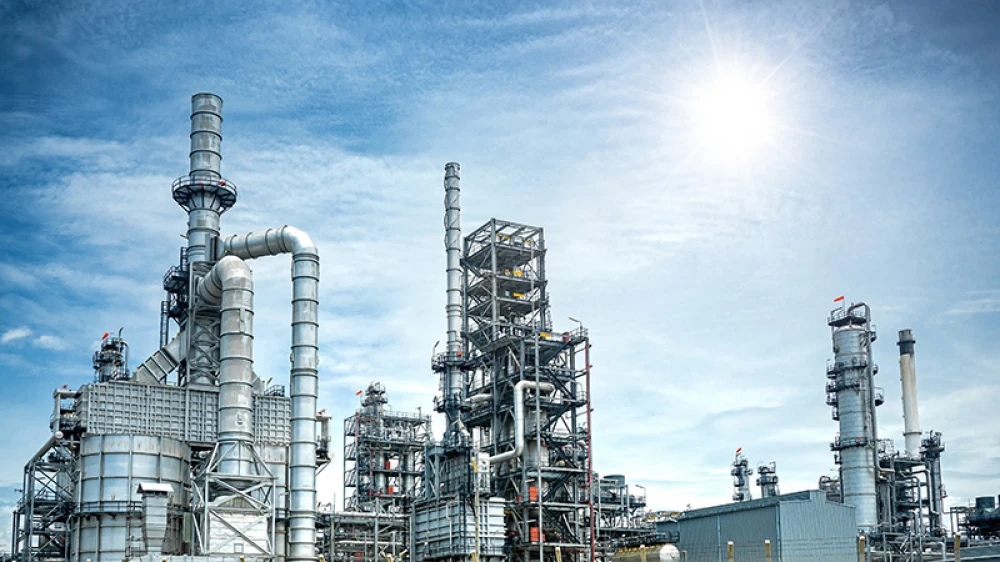
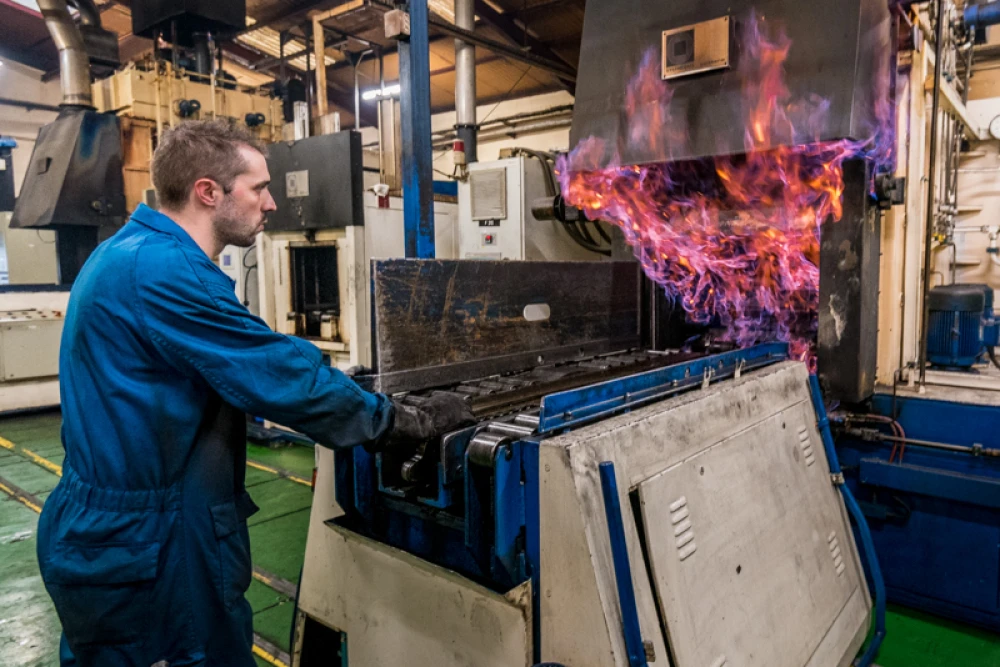
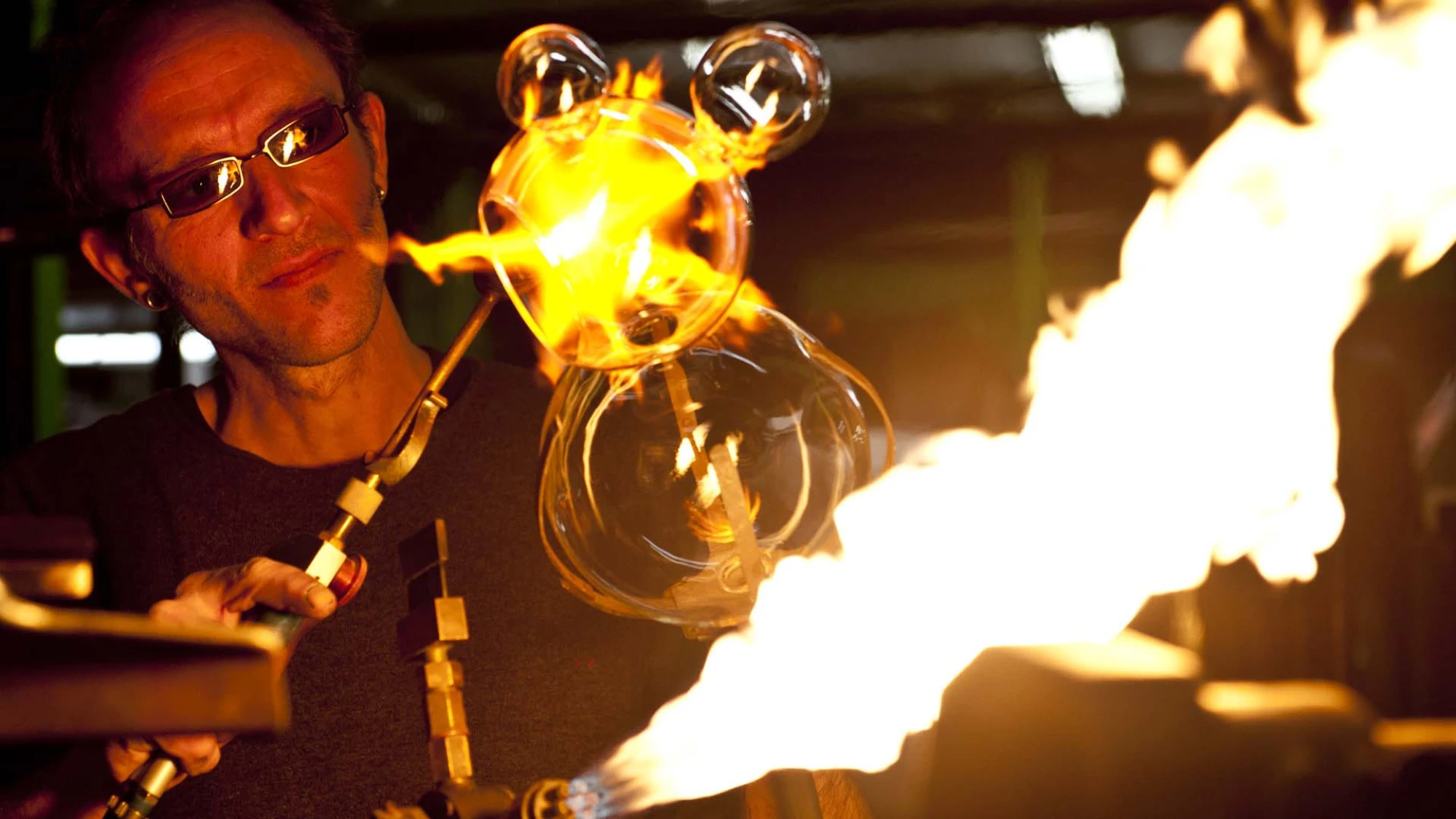
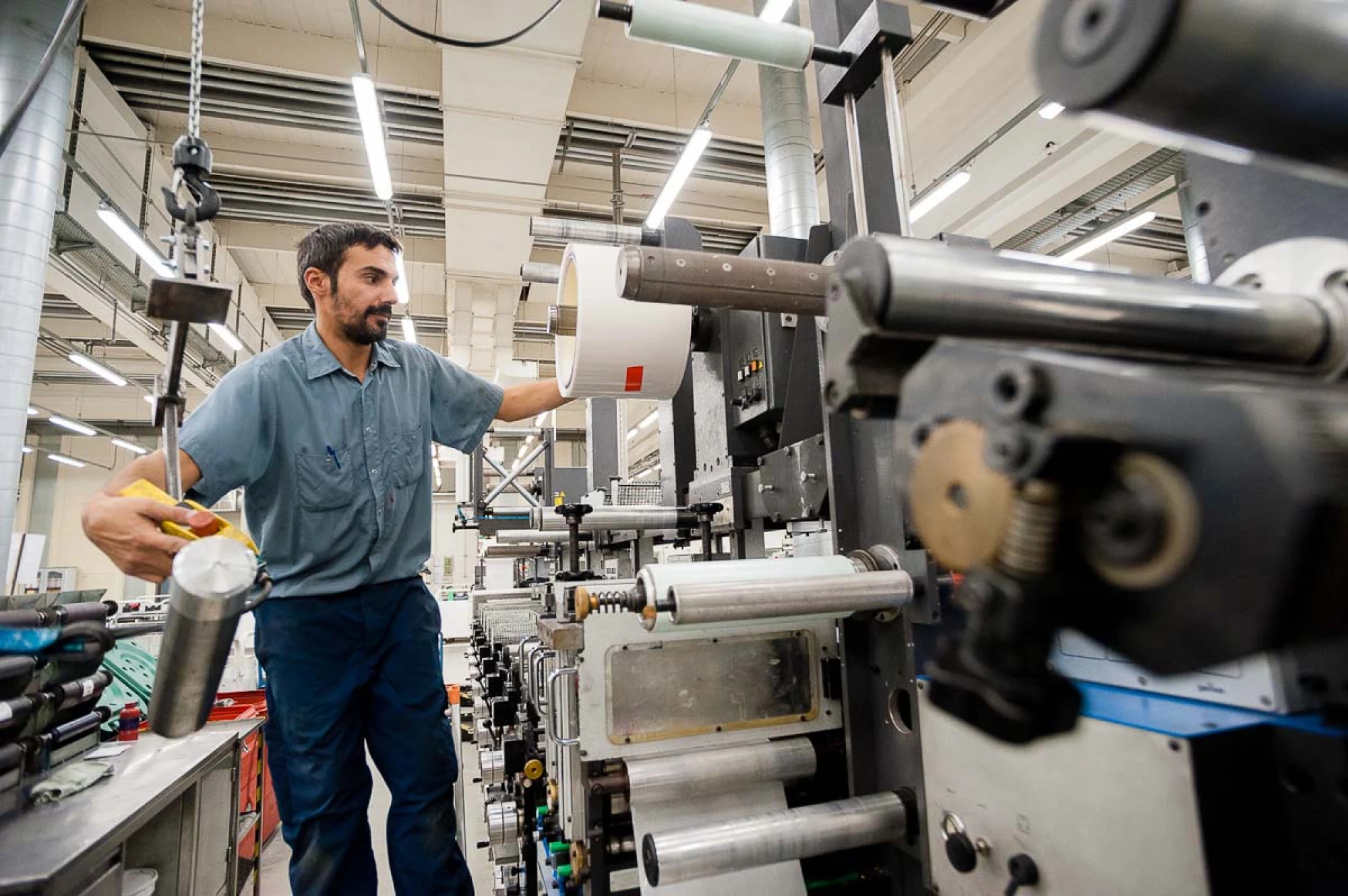
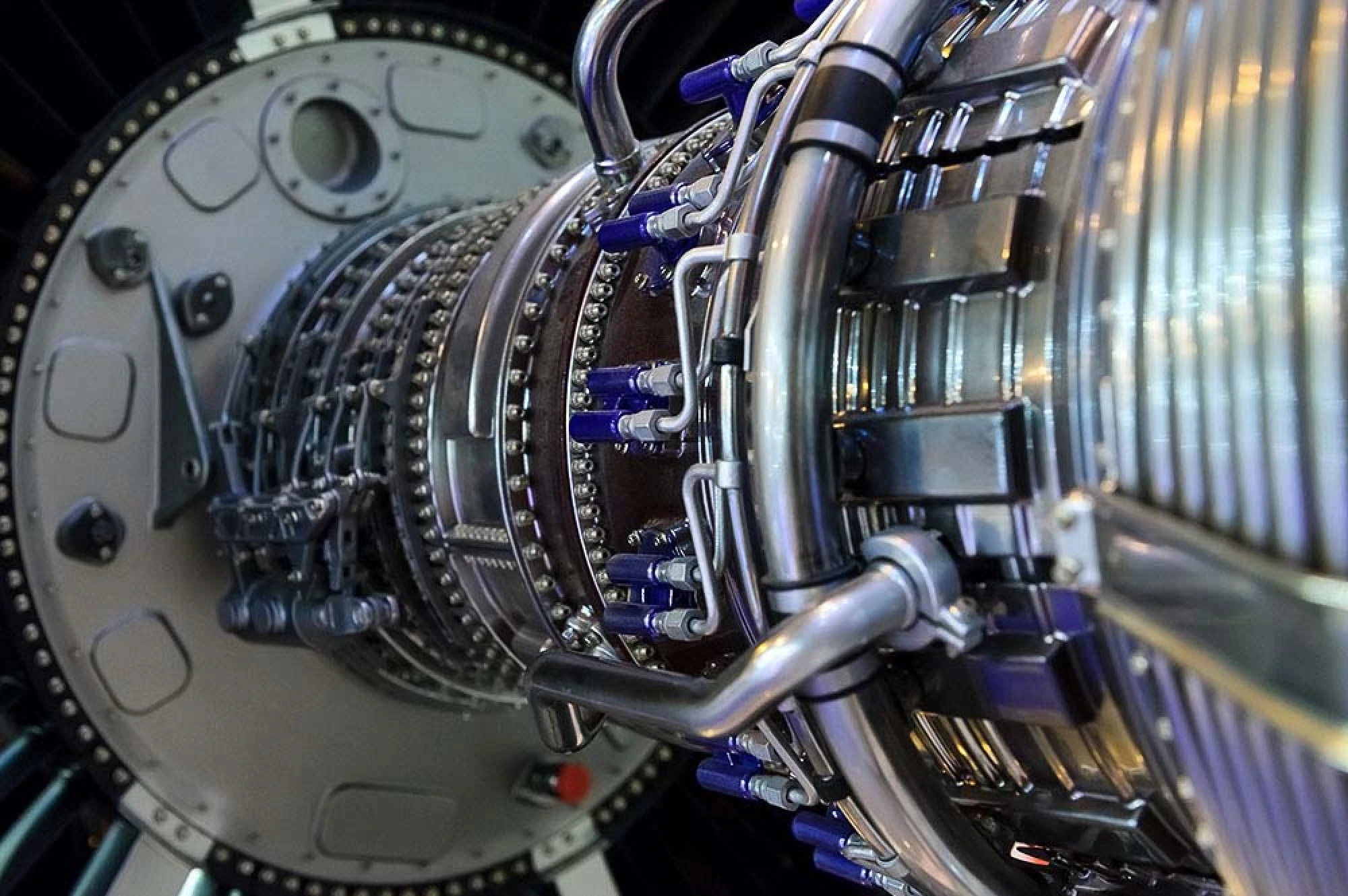
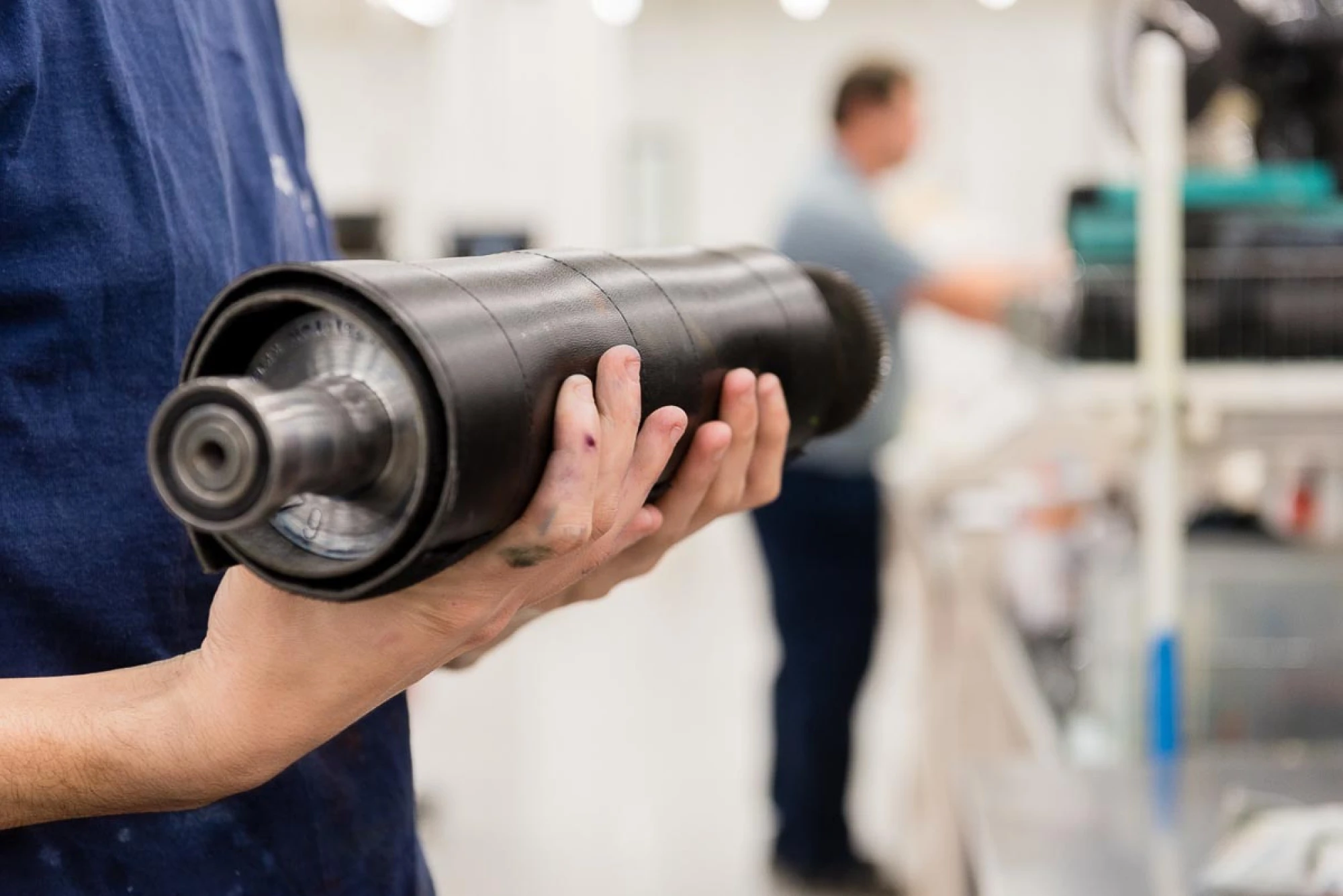
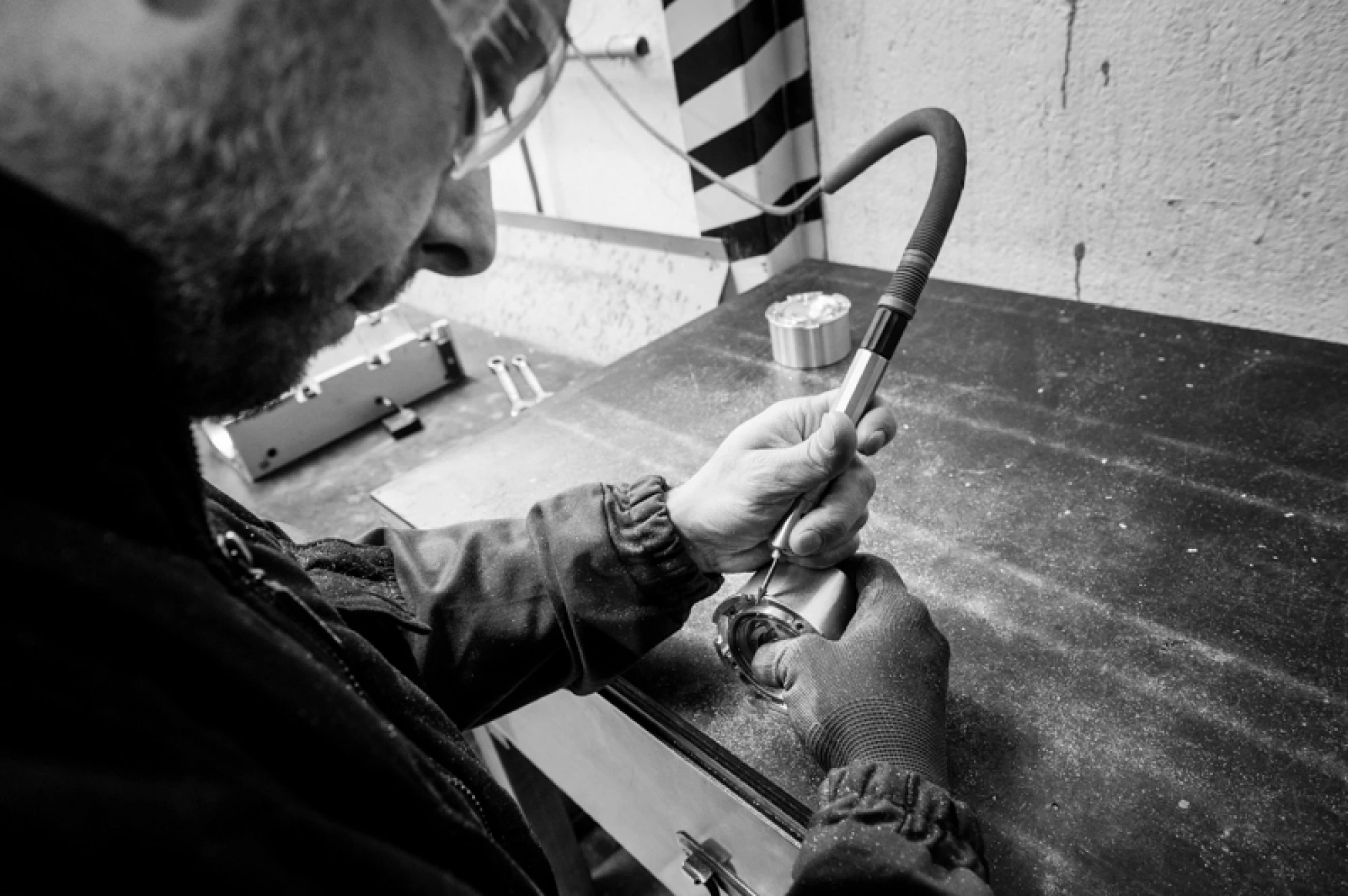
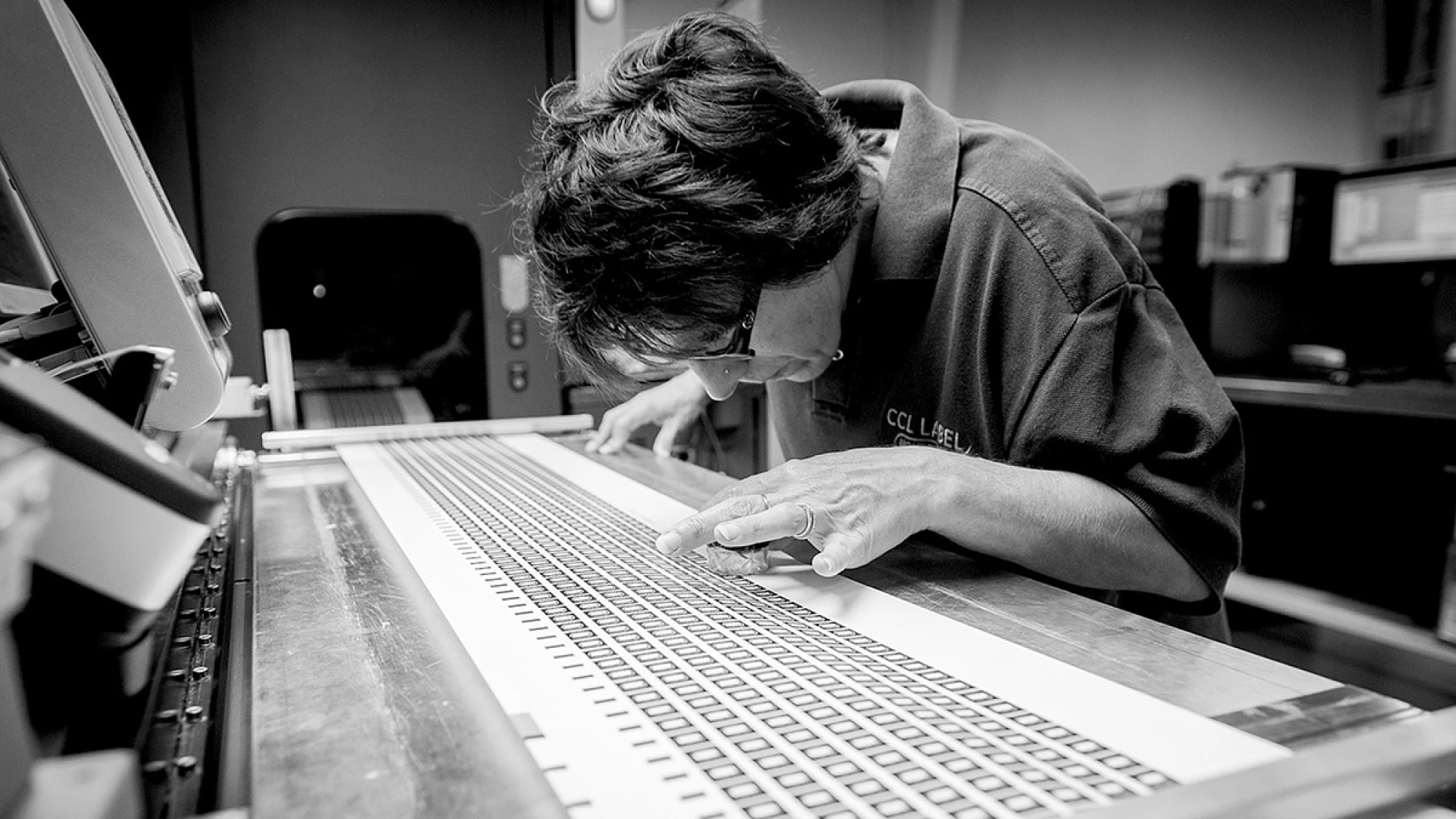
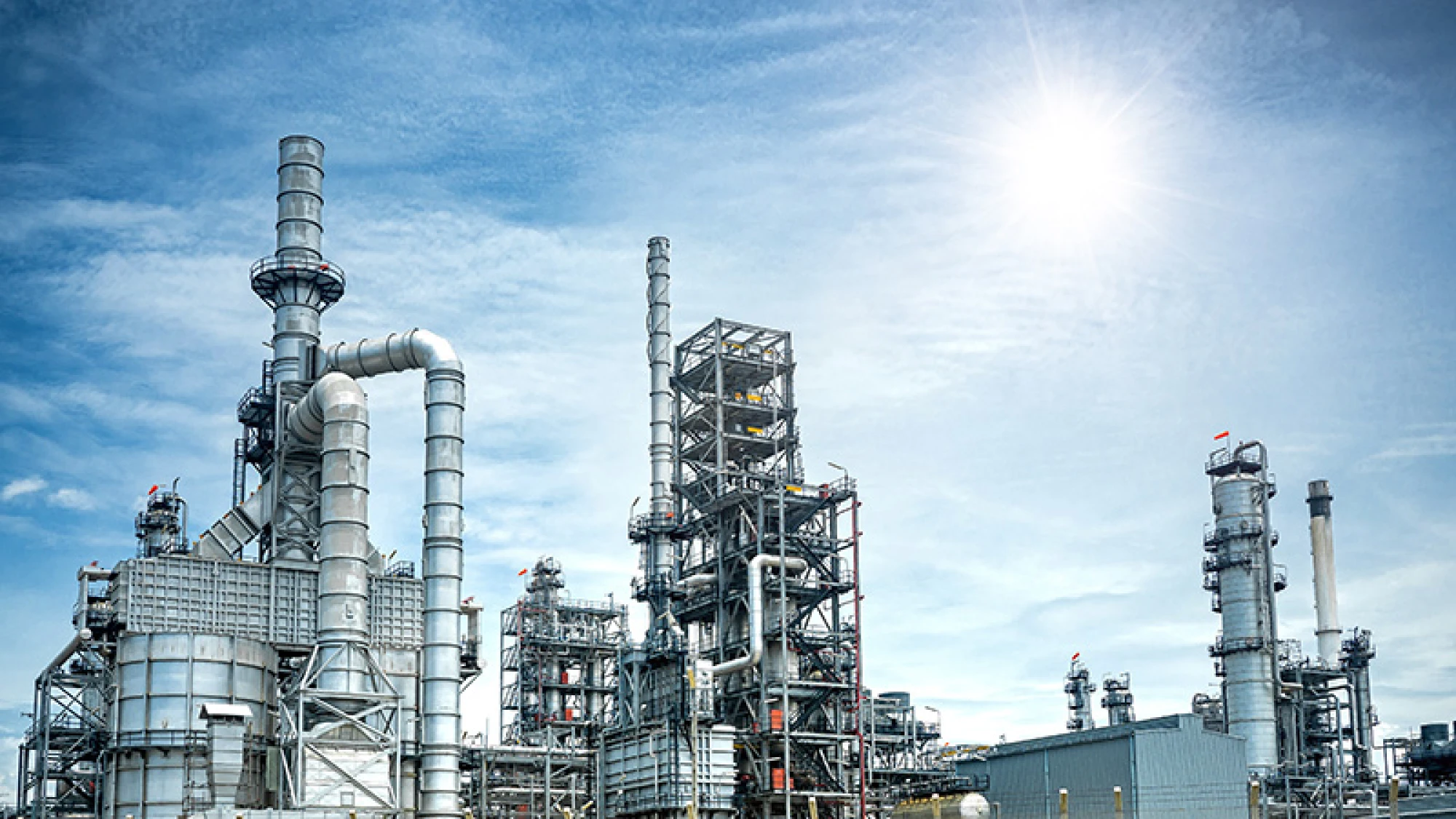
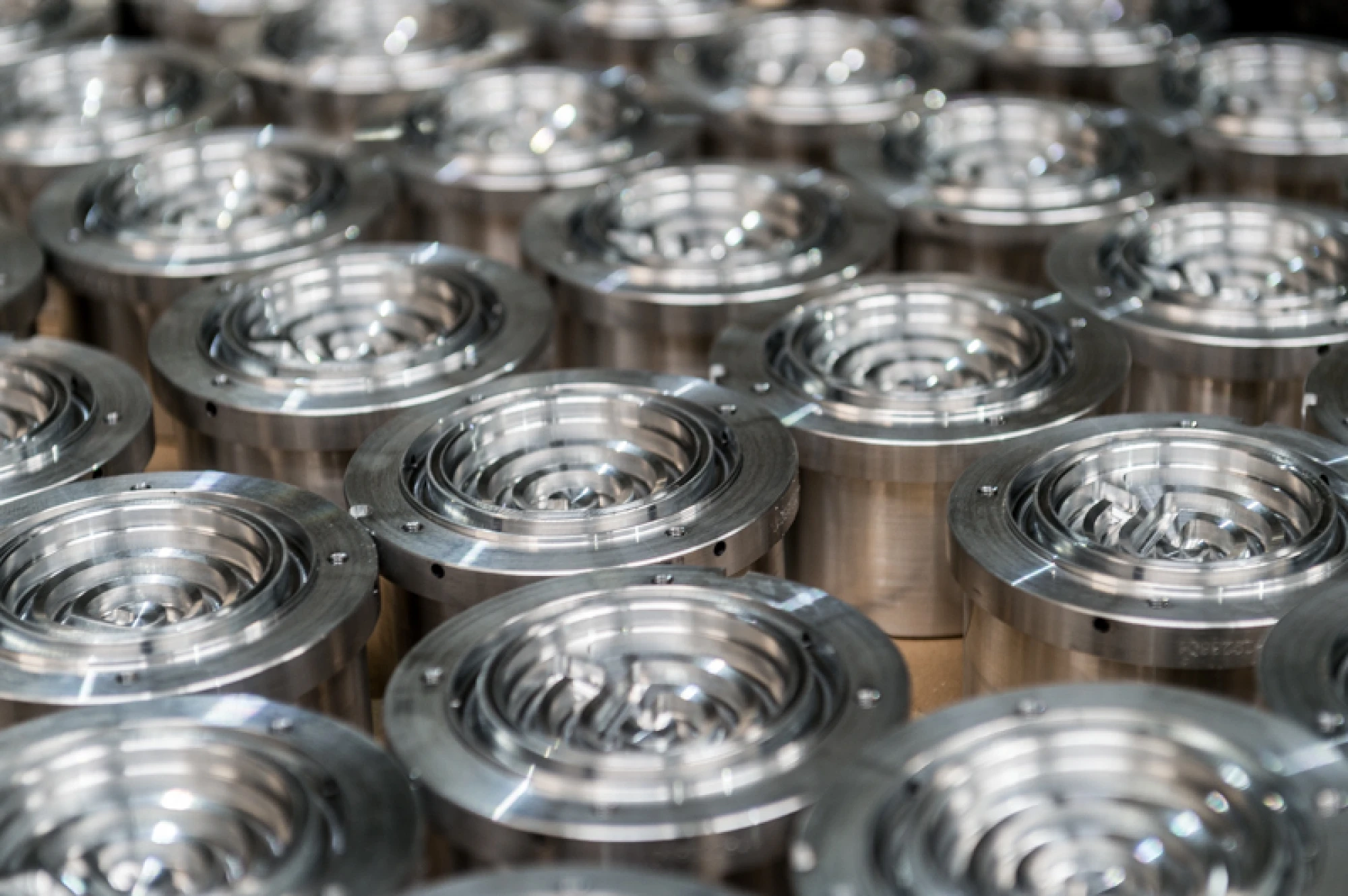
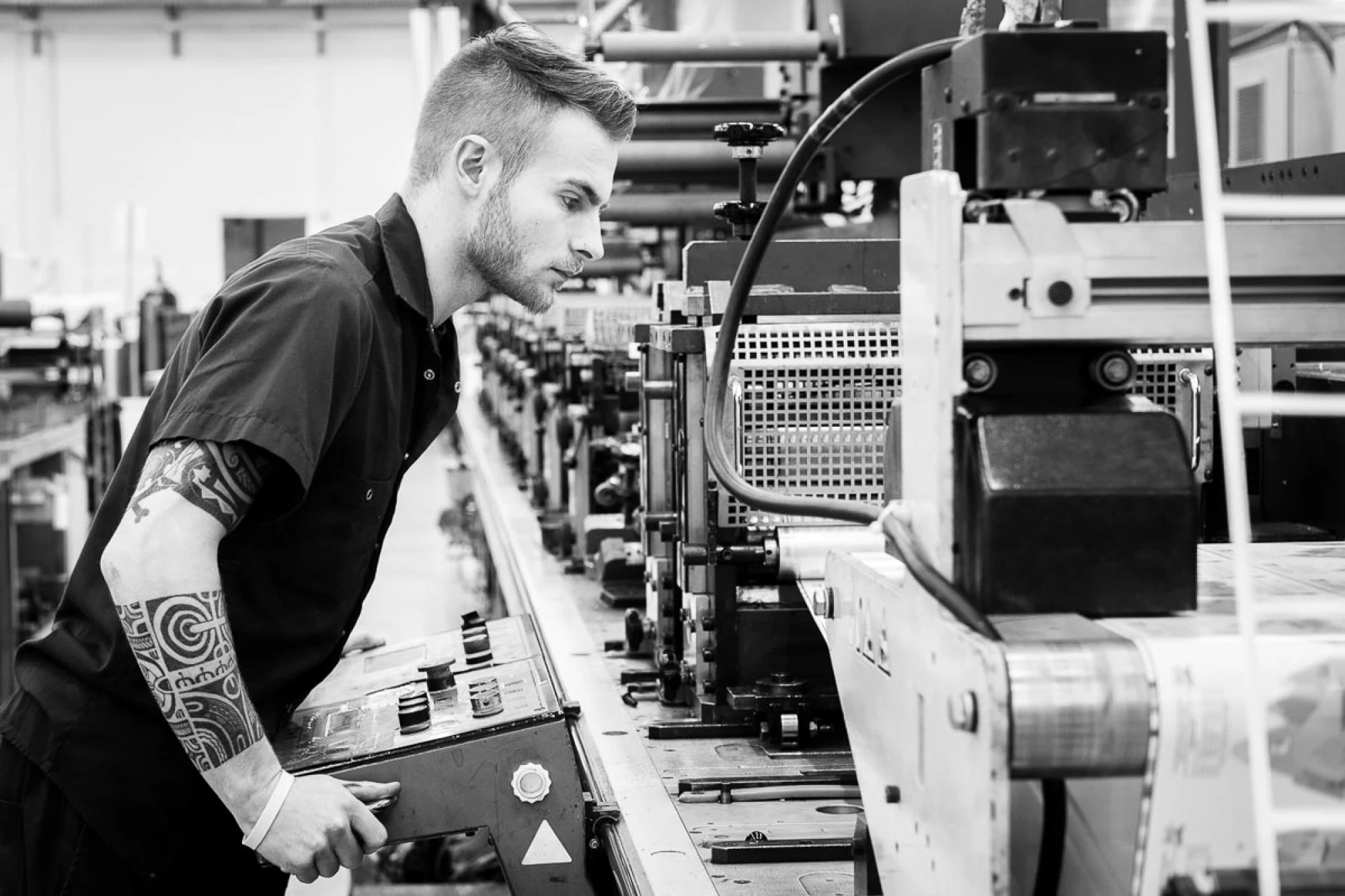
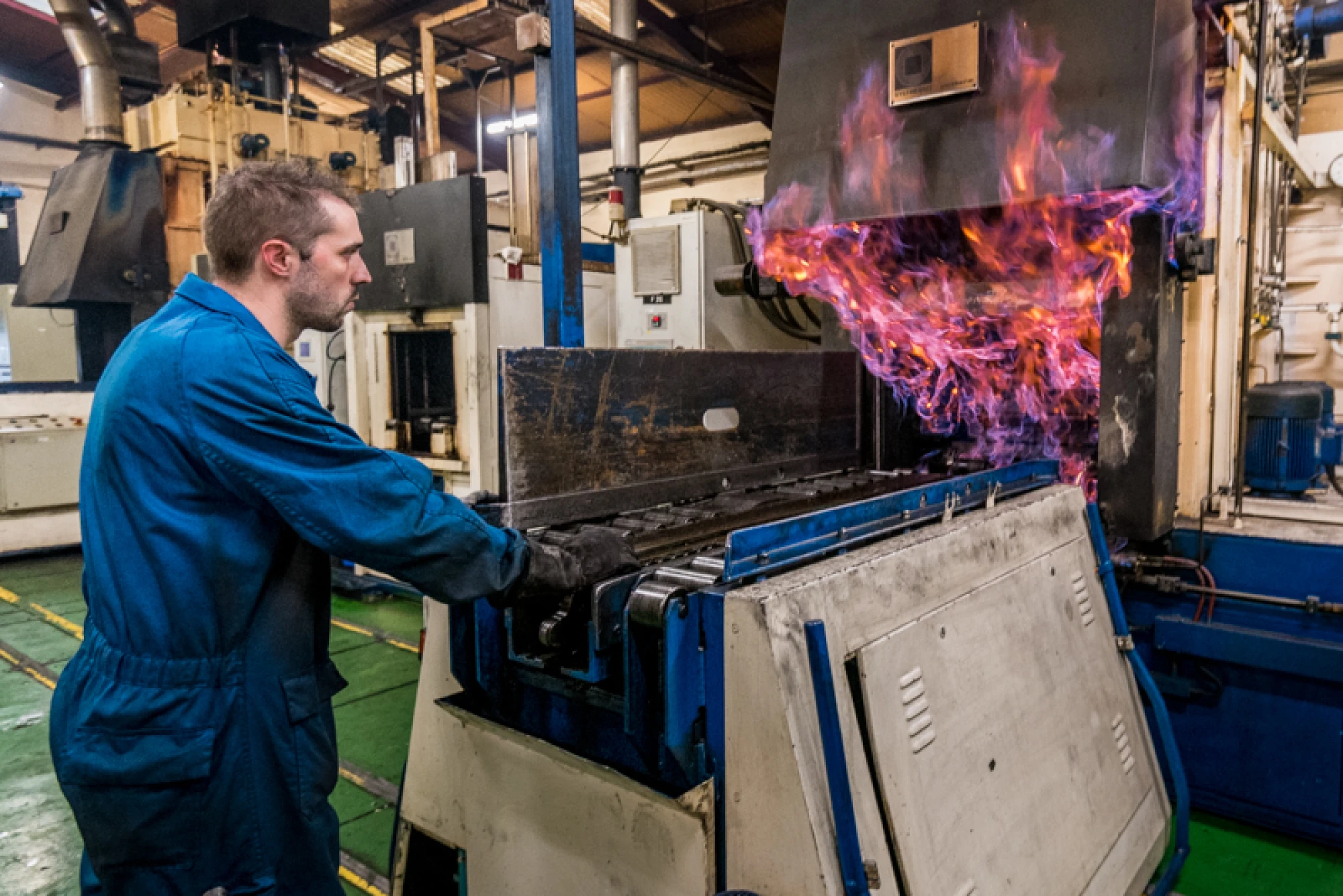
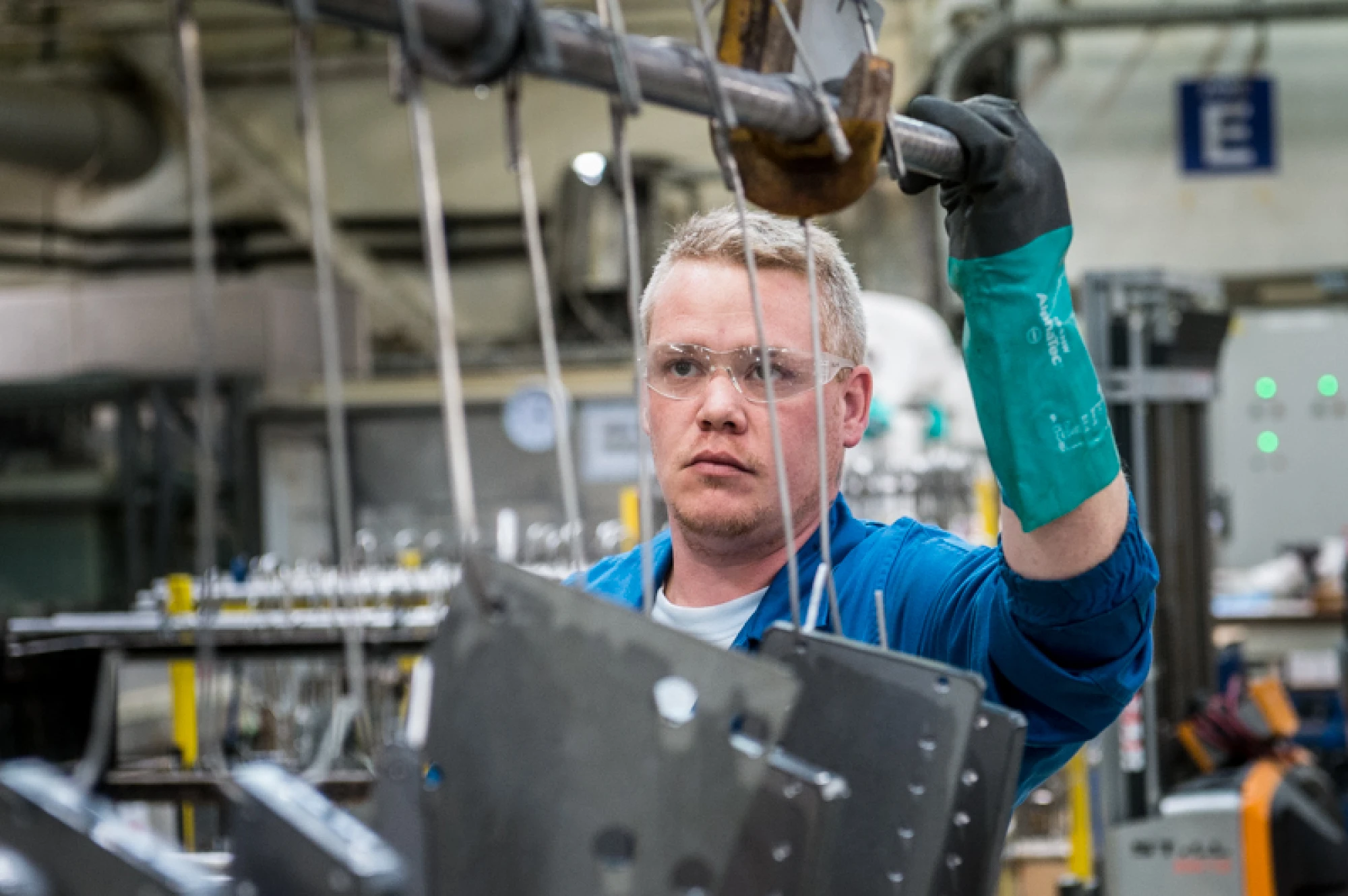
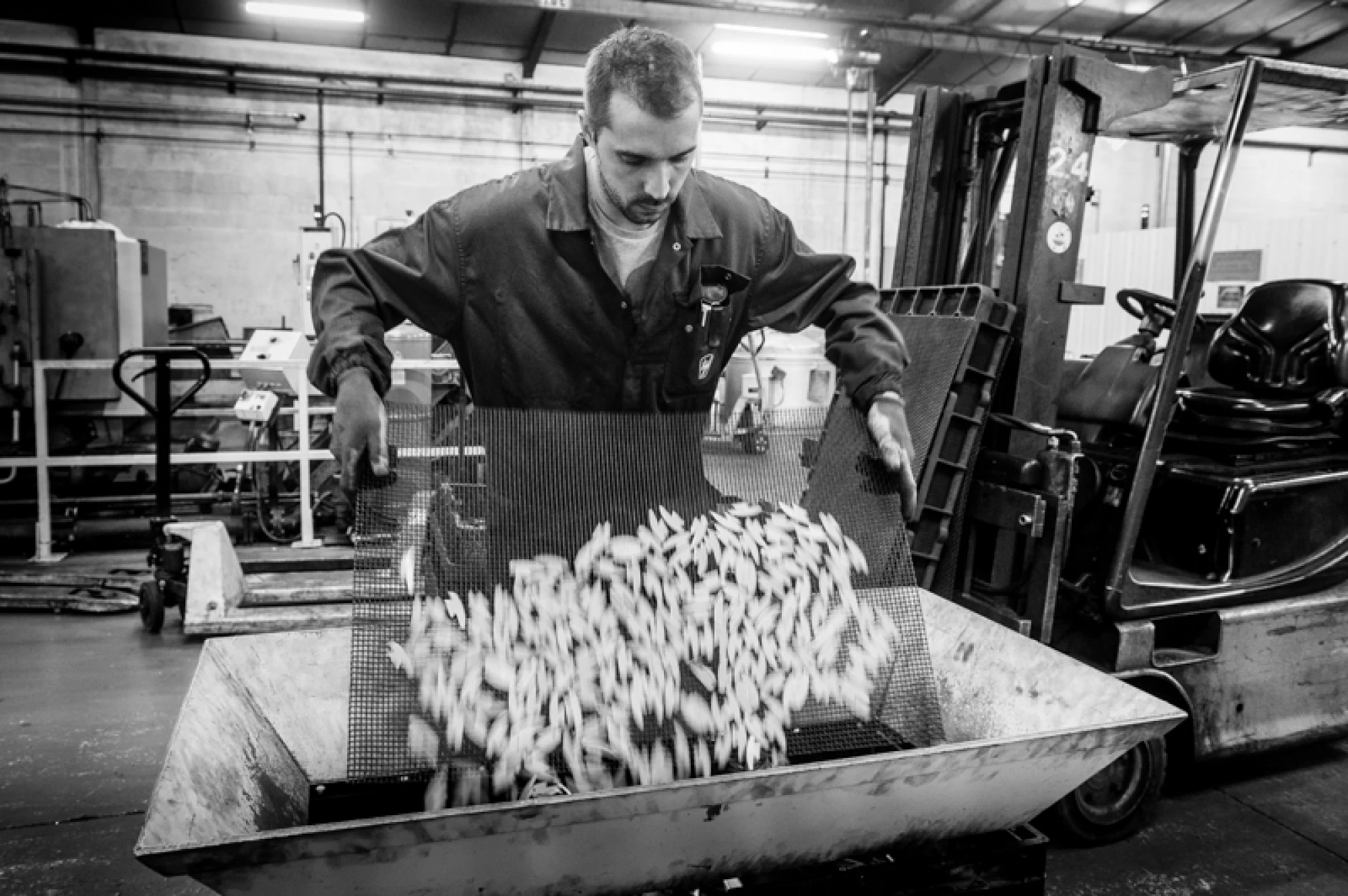
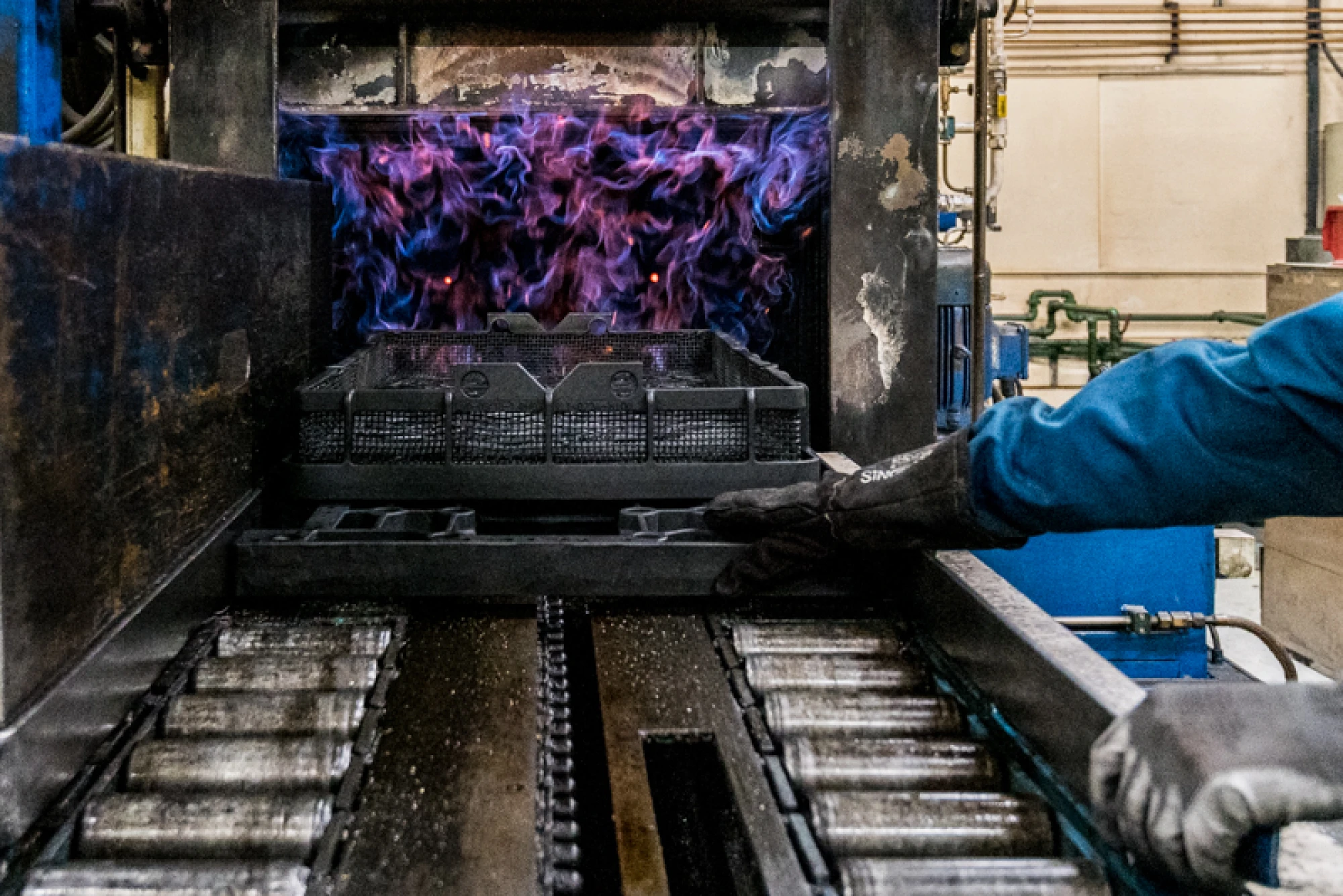
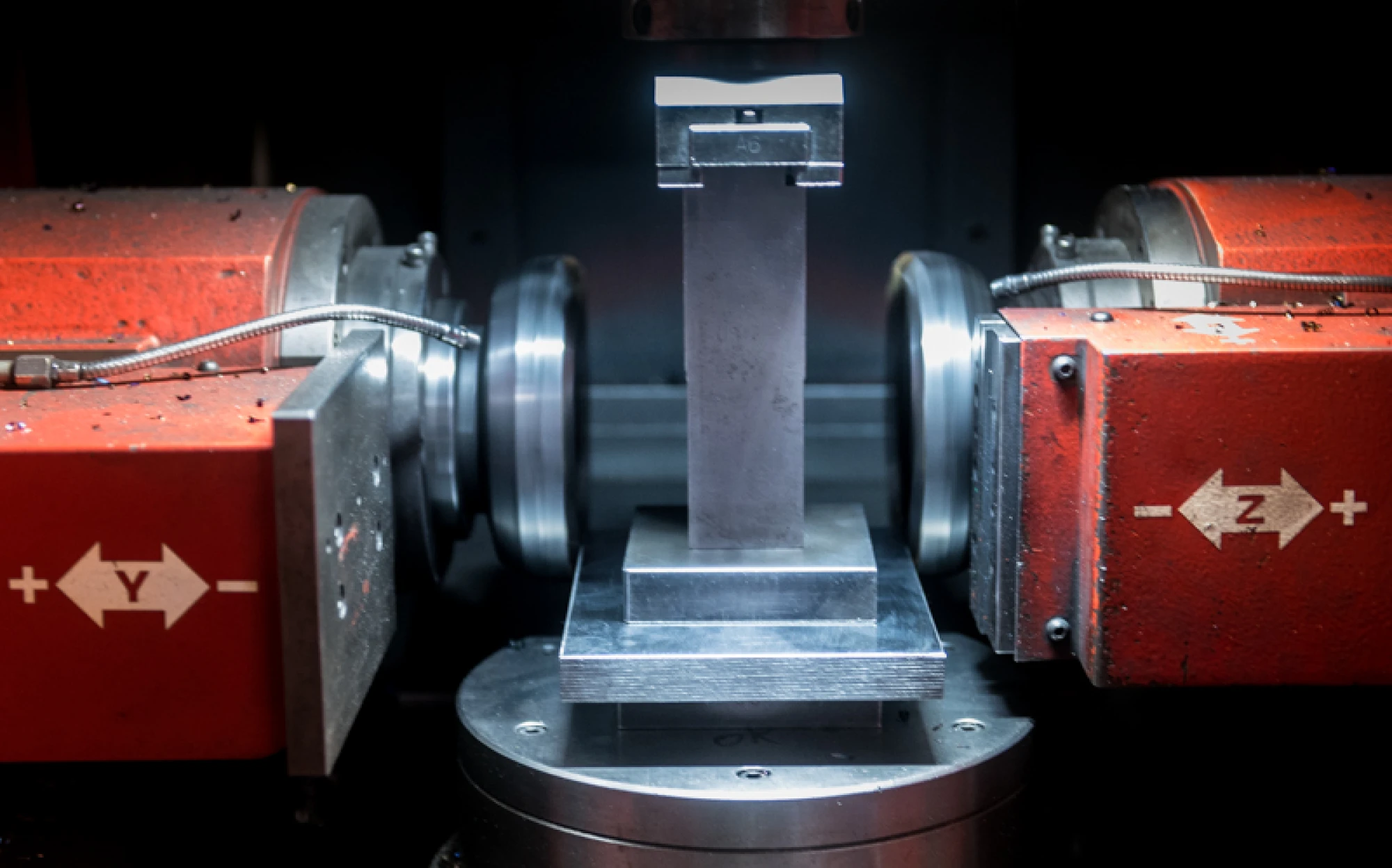
Corporate photo reportage conveys your company's image and values through all communication channels (web, internal publication, press, partner relations...). The corporate photo is the showcase you present to the public and your partners. Unlike the uniform photos that can be bought on stock photo sites and found everywhere, images from a corporate, industrial, or construction site reportage illustrate the reality of your business while paying attention to every detail.
In the age of social media, corporate photo reports bring you closer to your customers and allow you to establish a climate of trust and a privileged relationship.
What type of reportage for your company?
Business reportage:
Business reportages, carried out on your premises or at your intervention sites, aim to highlight your know-how, your experience, and to value your teams. The discreet technique of reportage, or photojournalism, allows me to capture moments of life at the heart of the company, of complicity and cohesion between colleagues, an employee's concentration on their task, or mastery of a technology, etc. In summary, the reportage gives lively, modern photos that correspond to your company's image and values.
Event reportage: Choosing to bring in a professional photographer during one of your unifying corporate events (an incentive day, a seminar, a team-building outing, conference, etc.) is ideal for presenting your company in its best light. Moreover, the reportage mode brings dynamism and your employees are more relaxed than for a posed session or in a studio.
Why I love reportage
Photographic reportage is a true passion and probably the discipline of my profession that I prefer. I have been creating photographic reports professionally and personally for many years with one angle: Telling the story of man in his environment. Corporate photo reportage cannot be improvised. It requires a specific, more human than technical approach. I am not looking for the beautiful photo but for images that have meaning.
What are my working methods?
For reportages, I work like a photojournalist, trying to be as discreet as possible to capture natural attitudes that give expressive images. However, working in reportage mode does not mean no preparation, quite the contrary. I need to reconnoiter the locations (which is not always possible) and do a briefing with the managers to establish the most precise specifications possible to determine my client's needs and my intervention possibilities (safety, industrial secrecy...). I also ask that the teams be aware of my presence and that they introduce me to people who do not wish to be photographed so that I respect their choice.
Talk before shooting
Let's not lie to ourselves, not everyone has the most flattering image of themselves. It would be counterproductive, even a mistake, to work with a telephoto lens and steal photos. For business reportages, I ALWAYS start by taking an interest in their profession, asking questions about the techniques used, the destination of the parts, and their professional experience. Finally, I take the time to explain my approach to them. Why am I taking photos? What is the destination of these photos, where will they appear? This prepares the ground if my client needs to request a distribution authorization to use certain photos outside the company (advertising, website...).
What are my working methods?
For reportages, I work like a photojournalist, trying to be as discreet as possible to capture natural attitudes that give expressive images. However, working in reportage mode does not mean no preparation, quite the contrary. I need to reconnoiter the locations (which is not always possible) and do a briefing with the managers to establish the most precise specifications possible to determine my client's needs and my intervention possibilities (safety, industrial secrecy...). I also ask that the teams be aware of my presence and that they introduce me to people who do not wish to be photographed so that I respect their choice.
And what about equipment?
Reportage generally requires less specific and technical equipment than other areas like construction site monitoring or corporate portraiture. However, even if the photographer's main assets are their eye, their gaze, and their experience, professional premises (reception rooms, factories, assembly and production lines...) are often poorly lit (for photography) and require fast lenses and cameras.
I am therefore equipped with three high-definition full-frame Nikon cameras (a D4s and two D750), allowing me to work in extremely challenging lighting conditions. Why three bodies for a reportage? I work with two cameras equipped with complementary lenses, which allows me to take two different photos from the same viewpoint without wasting time changing lenses, and the third is a backup body, in case an accident happens (and it does).
On the lens side, I work with very wide aperture optics (f/1.4 or f/2.8), meaning as open as possible to allow maximum light in but also to create beautiful background blur. For overviews, I use wide angles (16mm), even very wide angles (10.5mm). For the "human" reportage and action portraits, my 24/70 f/2.8 never leaves my side. I rarely mount 200mm or 300mm telephoto lenses (because I prefer to be in contact with people) unless I need to take shots from further away.
For virtual tours, I have the choice between two technologies: a 360° camera for medium and high-definition views (Theta S), or a panoramic head equipped with a specific lens for very high-definition 360°.
When I shoot timelapses (a sequence of images assembled into video), I regularly use a GOPRO Hero 4 with a bunch of accessories to mount it almost anywhere.
It goes without saying that all this equipment may change or evolve based on the specific requests of my clients.
Photo retouching and post-processing
A quick word before going further: I say retouching because it's the term most often used by beginners, but I prefer the expression post-processing, which is more appropriate to a photographer's work.
Forget the idea that an unretouched photo equals a pure and quality photo. It's false and even the opposite. Post-processing is an integral part of a photographer's approach.